

Quick answer
A dolphin tour Zanzibar ethical approach requires operators who maintain 50-meter viewing distances, limit engine noise near pods, and avoid chasing or swimming directly at dolphins. Tours departing between 06:00 and 08:30 catch spinner dolphins during natural feeding hours before midday boat traffic increases. All visitors pay a 10,000 TZS marine conservation fee at Kizimkazi that funds habitat monitoring and enforcement of no-touch protocols.
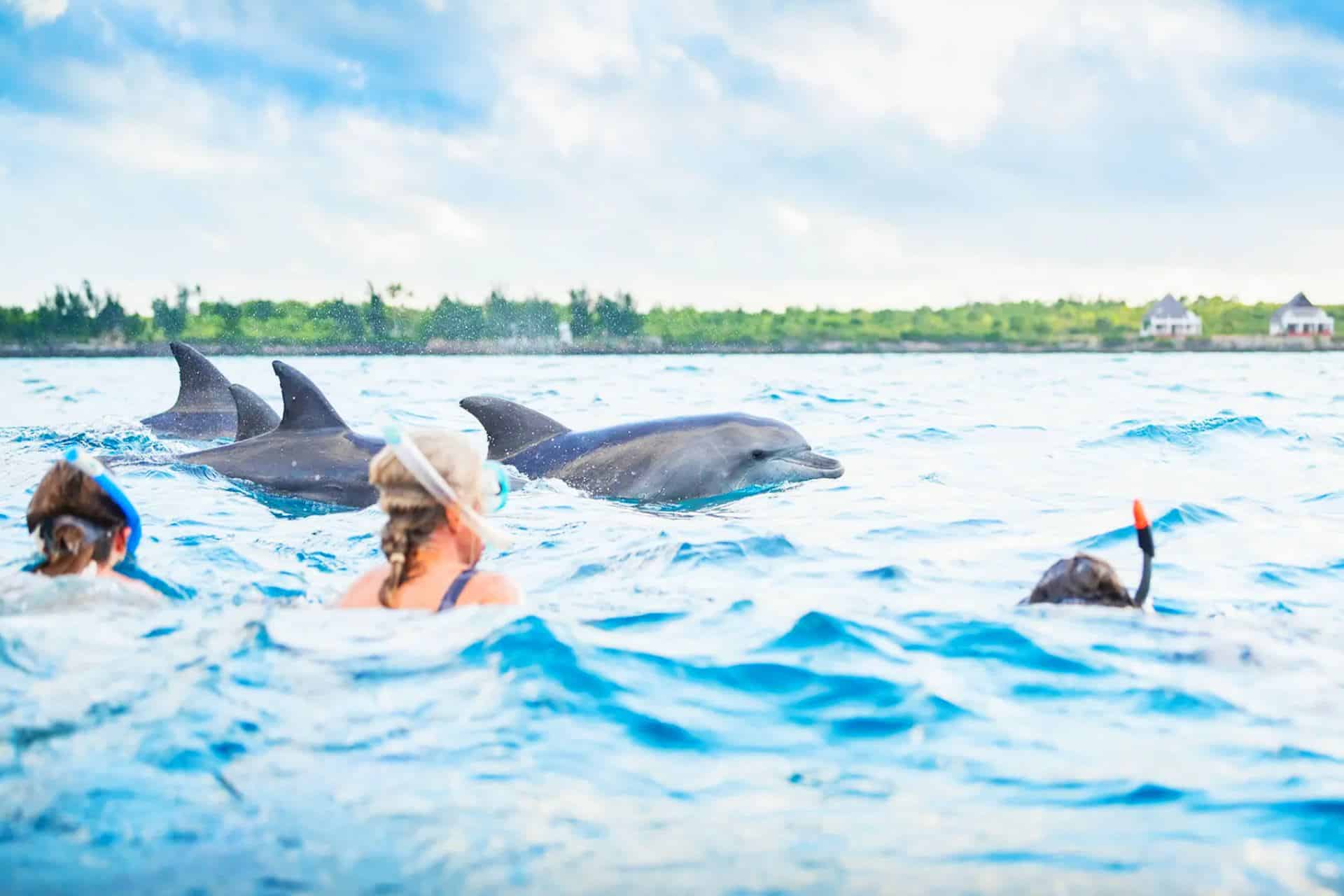
Zanzibar's spinner dolphins live year-round in the Menai Bay Conservation Area, a shallow coastal zone where nutrient upwellings concentrate the small fish and squid they hunt at dawn. The same reliable feeding grounds that make Kizimkazi one of East Africa's most consistent dolphin-viewing sites also make the population vulnerable to disturbance from poorly managed tourism. Responsible dolphin tour Zanzibar ethical operators follow guidelines adapted from the Zanzibar Marine Conservation Unit: boats cut engines 100 meters from a pod and drift closer under paddle or idle speed, observers stay seated to reduce sudden movement, and in-water encounters happen only when dolphins approach the boat voluntarily. Chasing, cornering, or separating mothers from calves are prohibited under the marine park code, though enforcement varies by season and operator. The 10,000 TZS conservation fee funds ranger patrols and educational signage at launch sites, but the real behavioral shift depends on individual captains trained in low-impact observation. Spinner dolphins rest in nearshore waters after nighttime offshore feeding, making early morning the least disruptive window for viewing. Boats launching after 09:00 often encounter already-stressed pods that have been followed by multiple vessels since first light. Kizimkazi Dimbani and Kizimkazi Mkunguni serve as the two primary departure points, each hosting 15 to 25 registered boats during peak months. Choose operators affiliated with the Menai Bay Conservation Area who display certification decals and brief passengers on no-contact rules before departure. The difference between extractive and sustainable dolphin tourism lies in cumulative pressure rather than single encounters. One boat maintaining distance causes minimal disruption; eight boats circling the same pod for 40 minutes fragments foraging behavior and increases calf separation risk. Ethical tours limit group size to 10 passengers per boat, cap viewing time at 20 minutes per pod, and rotate between multiple sighting areas rather than concentrating on a single family group. Ask operators about their daily trip frequency, maximum passenger load, and whether they coordinate departure times with other captains to reduce overlapping encounters.
“The difference between extractive and sustainable dolphin tourism lies in cumulative pressure rather than single encounters.”
The Best Arrival Window for an Ethical Dolphin Tour Zanzibar
The best arrival window for an ethical dolphin tour is 06:00–08:30. Arriving during this period minimizes human impact on the dolphins, as they are most active in the early morning and before large boat traffic begins.
Dry Season (June–October)
Moderate; higher on weekendsCooler, 22°C–28°C. Ideal visibility for wildlife tracking.
Wet Season (November–May)
Low; quietest periodsWarmer, 25°C–32°C. Expect short, heavy rain intervals.
Weekday mornings
Low impact; fewer boats—. Provides the most respectful and quiet environment for dolphin observation.
Verdict: The best time for an ethical experience is weekday mornings, arriving at 06:00, during the cooler months of June to October.
Conduct Rules for an Ethical Dolphin Tour Zanzibar Experience
Ethical dolphin encounters depend on visitor behavior. Following these guidelines protects the spinner and bottlenose dolphins that inhabit Kizimkazi's waters while ensuring meaningful, low-impact observation.
Do
- Maintain at least 50 meters distance from dolphin pods
- Keep noise levels low and movements slow in the water
- Follow your guide's instructions on positioning and approach
- Use reef-safe sunscreen before entering the ocean
- Observe from the boat if dolphins show signs of stress
- Report operators who chase or encircle pods to local authorities
Don't
- Don't swim directly at dolphins or attempt to touch them
- Don't use flash photography underwater near the animals
- Don't chase pods if they move away from your group
- Don't enter the water if dolphins are resting or nursing calves
- Don't support operators who guarantee dolphin swimming or contact
- Don't wear jewelry or accessories that could injure marine life
Operational Hours for a Dolphin Tour Zanzibar Ethical Visit
The operational hours for ethical dolphin tours in the Kizimkazi area are consistent throughout the week. These hours accommodate the necessary early morning departures required for wildlife observation.
| Monday | 06:00–18:00 | |
|---|---|---|
| Tuesday | 06:00–18:00 | |
| Wednesday | 06:00–18:00 | |
| Thursday | 06:00–18:00 | |
| Friday | 06:00–18:00 | |
| Saturday | 06:00–18:00 | |
| Sunday | 06:00–18:00 |
Navigating to Your Dolphin Tour Zanzibar Ethical Location
The ethical dolphin tour departure point is located in Kizimkazi Dimbani, situated on the southern coast of Zanzibar. The most direct approach from Zanzibar City is by private hire vehicle or taxi via the paved main road heading south.
Direct drive via B5 road from Zanzibar City
Rental via B5 road heading south
Dala-Dala from Darajani Market to Kizimkazi village
Check availability
Frequently asked questions about dolphin tour zanzibar ethical
Everything you need to know about dolphin tour zanzibar ethical